The 4 phases of bringing an idea to life
A guide to organizing a project in four phases, from discovery to launch and delivery.

2 min read
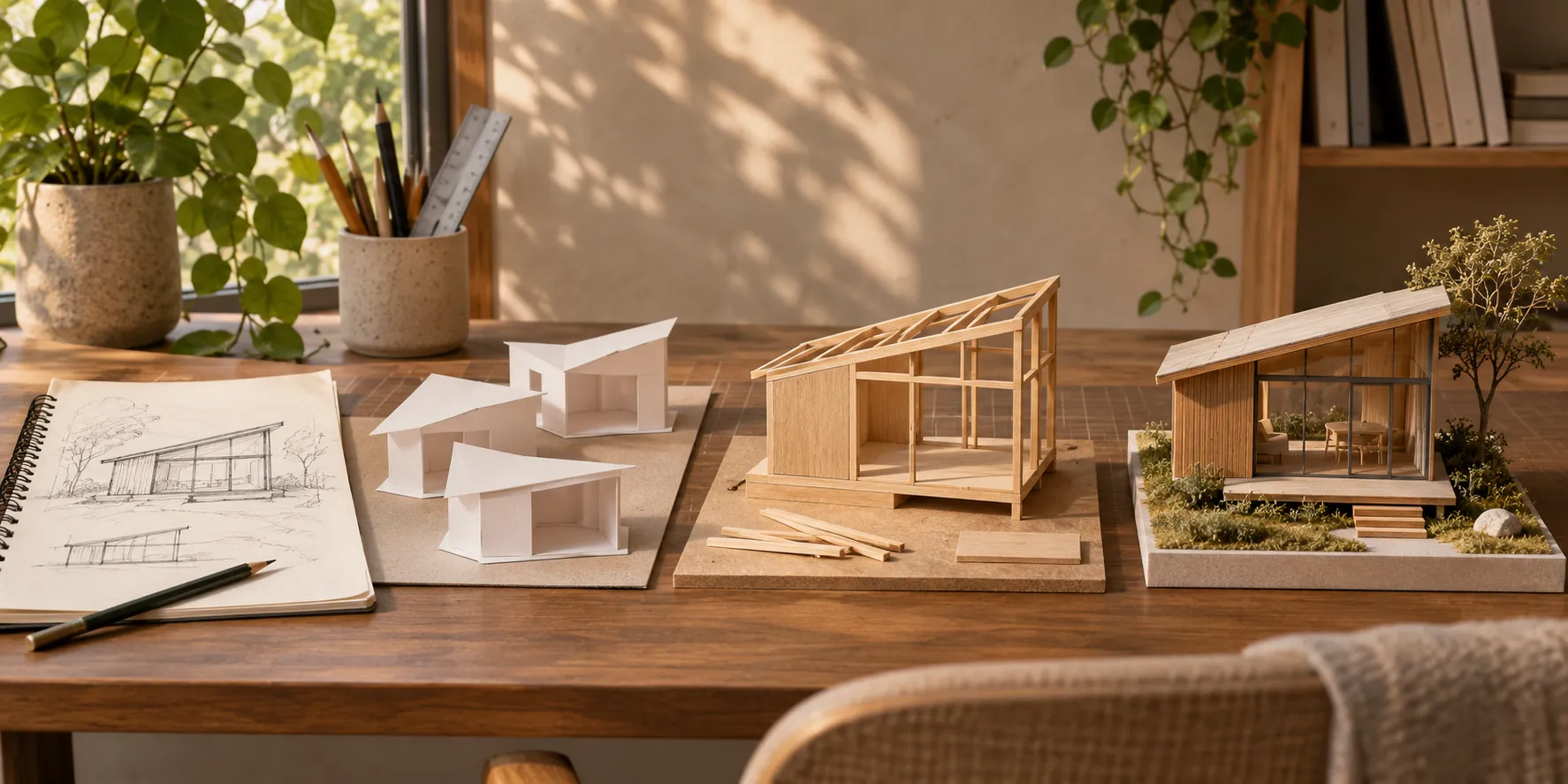
When starting a project, it’s normal to want to see results as soon as possible. However, when we rush and skip steps, we can end up making last-minute changes that cost us more time and effort.
That’s why I believe dividing a project into phases is a good way to work. It helps us better understand what we want to achieve, explore options, and move forward with greater clarity.
1. Discovery
Before we start working on a solution, we need to understand the problem or need we want to address.
At this stage, we talk to the people involved, set the objectives, and define the project’s scope. We also identify the resources available and any conditions we need to consider.
For a website, for example, we might ask who it’s for, what information visitors need to find, and what the client hopes to achieve with it.
2. Exploration and design
Once we’re clear on the objective, we can start exploring different ways to achieve it. Some ideas will work better than others, and this is a good stage to test them, compare them, and make adjustments.
We can start with sketches or simple versions that help us visualize the solution before spending time developing it fully.
For a website, this phase might include organizing the content and designing its pages. But the same principle can apply to a visual identity, a product, or any other idea we need to develop.
3. Development
With a proposal defined, we move on to building the solution. It’s time to turn ideas into something we can use, review, and test.
Details we hadn’t considered may come up during this phase. That’s why it’s important to keep communicating and make the necessary adjustments without losing sight of the objectives we set at the beginning.
4. Launch and handover
Once the project is ready and we’ve checked that it works as expected, it’s time to put it into use and hand it over.
But the work doesn’t end simply by publishing or delivering the result. We also need to make sure the people responsible for using and maintaining it have the tools and knowledge they need.
For example, if we deliver a website the client can manage, this might include documentation, training sessions, and a period of support to answer questions while the client learns to manage it.
Every project is different and may need more steps or a different way of organizing the work. Even so, using these phases as a guide helps us work in a more organized way and make better decisions throughout the process.
- projects
- design